Apps as Your New Financial Advisor


Apps as Your New Financial Advisor
As our daily lives become increasingly digital, the way we manage money is changing too. Where people once relied on in-person meetings with financial advisors or bank representatives, today’s guidance often comes from a smartphone. Financial apps have become a new kind of advisor—always available, personalized, and often free. But how do they work, and what can they really do for you?
From Spreadsheets to Smart Insights
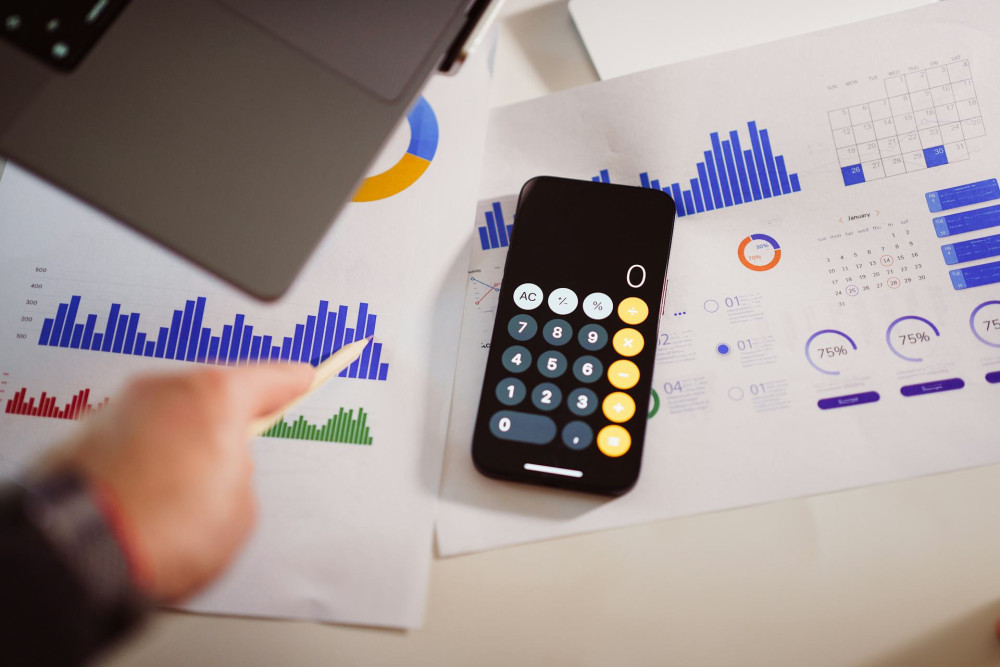
Keeping track of spending can be a challenge. Between bills, subscriptions, and everyday purchases, it’s easy to lose sight of where your money goes. That’s where modern finance apps step in. They automatically connect to your bank accounts, categorize your transactions, and give you a clear picture of your financial habits.
Apps like Mint, YNAB (You Need a Budget), and Rocket Money make it simple to monitor your spending in real time. You can see how much you’re spending on groceries, transportation, or entertainment—and get alerts when you’re close to exceeding your budget. This kind of instant feedback helps you make smarter day-to-day decisions.
Personalized Advice Without the Office Visit
One of the biggest advantages of financial apps is their ability to offer personalized advice based on your own data. Using artificial intelligence and algorithms, they analyze your spending patterns and suggest ways to improve. That might mean identifying unused subscriptions, recommending a better credit card, or helping you set up an emergency fund.
Some apps even include “digital advisors” or chatbots that can answer questions about debt management, saving strategies, or investing basics. You get guidance tailored to your situation—without having to schedule a meeting or pay a consultation fee.
Investing Made Accessible
Investing used to feel out of reach for many Americans, often associated with large sums and complex decisions. Today, investment apps have made it possible for almost anyone to start small. Platforms like Robinhood, Acorns, and Betterment offer user-friendly tools that let you invest spare change or set up automated portfolios.
Many of these apps use robo-advisors—automated systems that build and manage diversified portfolios based on your goals and risk tolerance. This makes it easier to get started and helps remove emotional decision-making when markets fluctuate.
Security and Privacy: What to Watch For
When you give an app access to your financial data, security should be top of mind. Reputable apps use encryption and comply with U.S. data protection standards, such as those set by the Federal Trade Commission (FTC) and the Consumer Financial Protection Bureau (CFPB). Many also use multi-factor authentication to keep your accounts safe.
Still, it’s important to read the fine print. Check who owns the app, how your data is stored, and whether it’s shared with third parties. Your financial information is deeply personal—treat it with the same care you’d expect from a traditional bank.
Læs også:




The Future of Financial Guidance
The future of financial advice is becoming increasingly digital. Artificial intelligence will continue to evolve, predicting spending patterns, identifying risks, and offering proactive suggestions before problems arise. Apps will become more adaptive, adjusting to life changes such as starting a family, buying a home, or planning for retirement.
But while technology can do a lot, it can’t do everything. An app can provide data and recommendations, but it can’t replace your judgment. The best financial decisions come when you use technology as a tool—not as a substitute for thoughtful planning.
A Digital Partner for Your Finances
Financial apps are more than just convenient tools; they’ve become part of how we think about money. They help us stay organized, plan ahead, and make informed choices. For many Americans, they’ve become a trusted companion in managing everyday finances—a digital partner that makes money management simpler and less stressful.
So the next time you want to take control of your budget or start investing, look no further than your app store. Your new financial advisor might be just a download away.
Læs også: