From Cash to Contactless: How Digital Payments Have Transformed Our Everyday Lives

From Cash to Contactless: How Digital Payments Have Transformed Our Everyday Lives
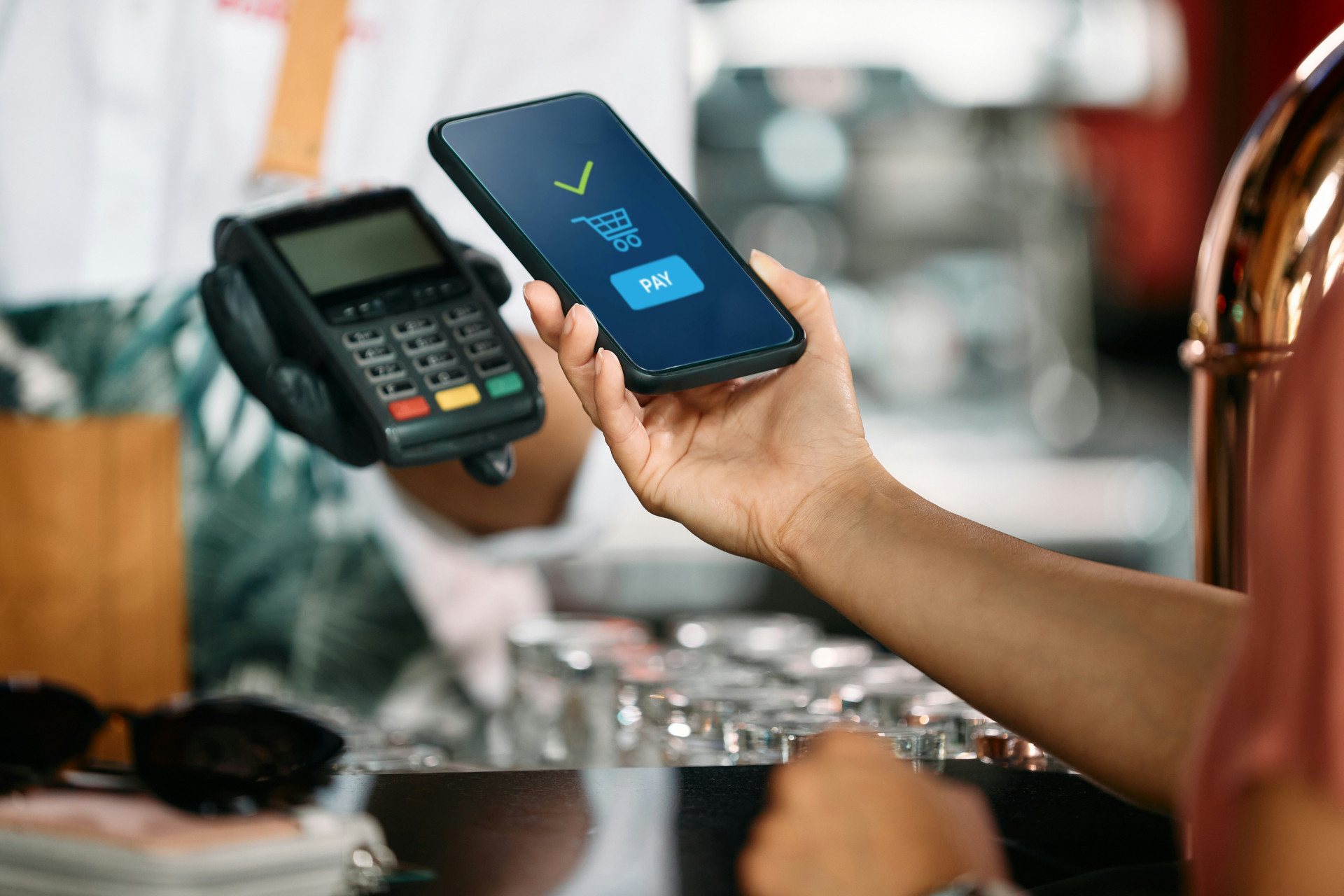
Just a decade ago, cash was still a common part of daily life. We carried bills for coffee runs, tipped with coins, and stopped by ATMs before the weekend. Today, that routine feels almost outdated. Contactless cards, mobile wallets, and peer-to-peer payment apps have made it possible to pay in seconds—without ever touching a dollar bill. The shift from cash to digital payments hasn’t just changed how we pay; it’s reshaped how we think about money, convenience, and security.
From Wallet to Smartphone – A Technological Revolution
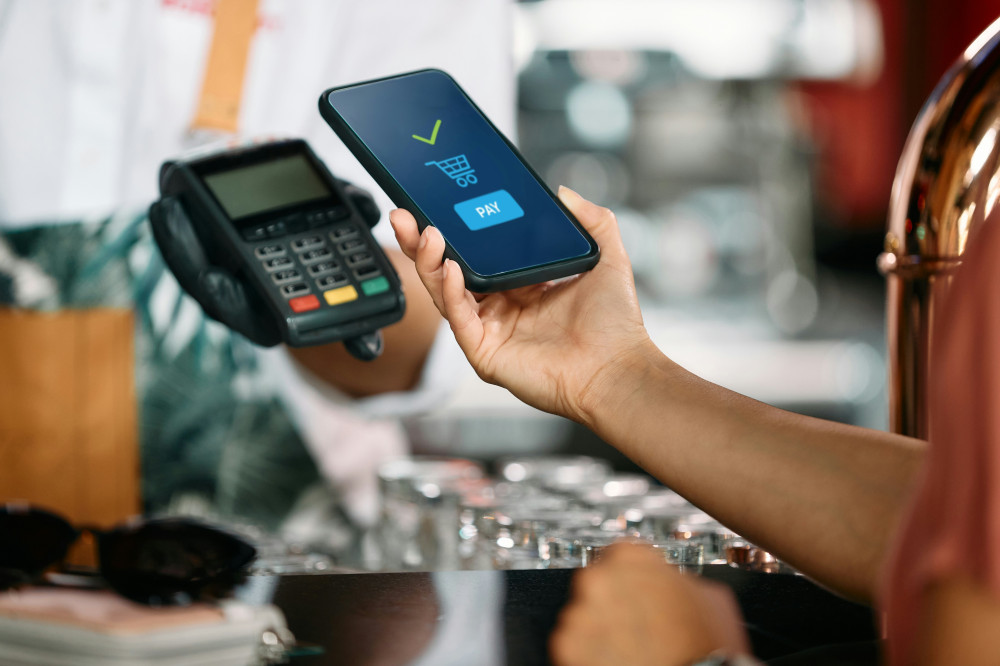
The transformation gained momentum in the mid-2010s, when contactless cards and mobile payment platforms like Apple Pay, Google Pay, and Venmo became mainstream. Suddenly, paying for groceries or splitting a dinner bill required nothing more than a tap or a swipe. What began as a convenience quickly became the new normal.
In the United States, digital payments now account for a growing share of all transactions. According to the Federal Reserve, fewer Americans use cash regularly, and many businesses—especially in cities—are moving toward cashless operations. Consumers have embraced these technologies because they’re fast, easy, and secure, fitting seamlessly into a lifestyle where nearly everything else happens online.
Security and Trust in the Digital Economy
Security has always been a major concern when it comes to digital payments. But modern systems are built with advanced encryption, tokenization, and multi-factor authentication, making it harder for fraudsters to access sensitive information. At the same time, users can instantly freeze cards, track transactions in real time, and receive alerts for suspicious activity.
As a result, trust in digital payments has grown significantly. Where people once preferred cash for the sense of control it offered, many now find that digital tools provide even greater oversight. Banking apps categorize spending automatically, and digital statements make it easier to see where every dollar goes.
A New Way of Thinking About Money
When payments become invisible, our relationship with money changes. Studies suggest that people tend to spend a bit more when paying digitally, since they don’t physically feel the money leaving their hands. The ease of tapping or clicking can make spending almost effortless.
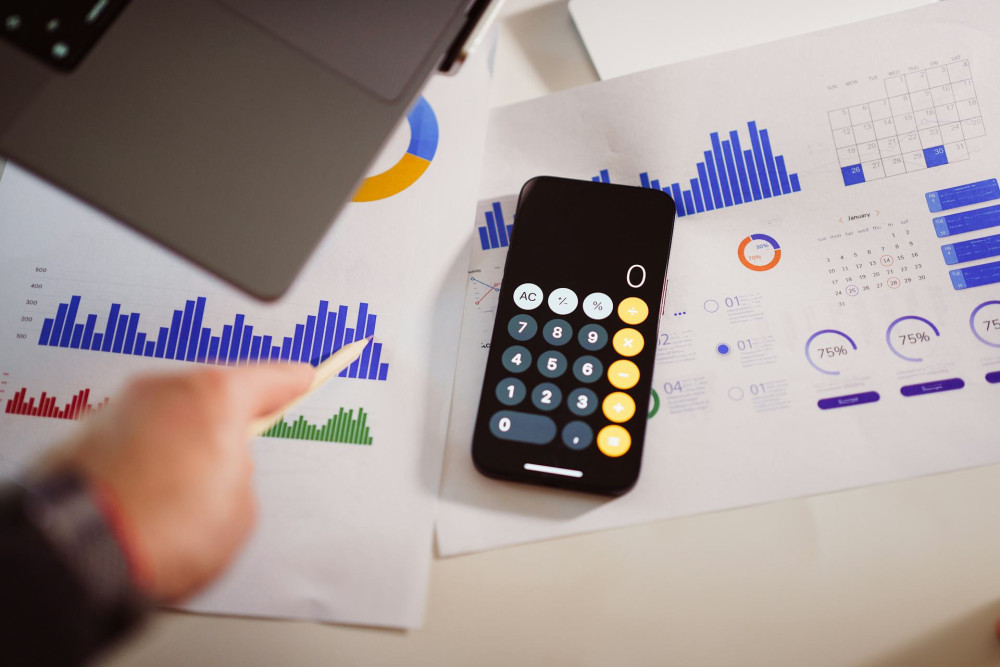
Yet digital payments also make it easier to manage finances. Apps can set spending limits, send alerts for large purchases, or round up transactions to boost savings automatically. In that sense, technology can both tempt and empower us—it all depends on how we use it.
Læs også:



The Cashless Society – Benefits and Challenges
A cashless society offers clear advantages: less risk of theft, faster transactions, and lower costs for businesses. But it also raises challenges. Older adults, people without bank accounts, and those in rural areas may struggle to keep up with the shift. Privacy is another concern—every digital payment leaves a data trail that can reveal personal habits and preferences.
That’s why many experts call for balance. Technology should be inclusive, ensuring that everyone can participate in the digital economy. At the same time, consumers and policymakers must address how financial data is collected, stored, and used.
The Future of Payments – Even More Seamless
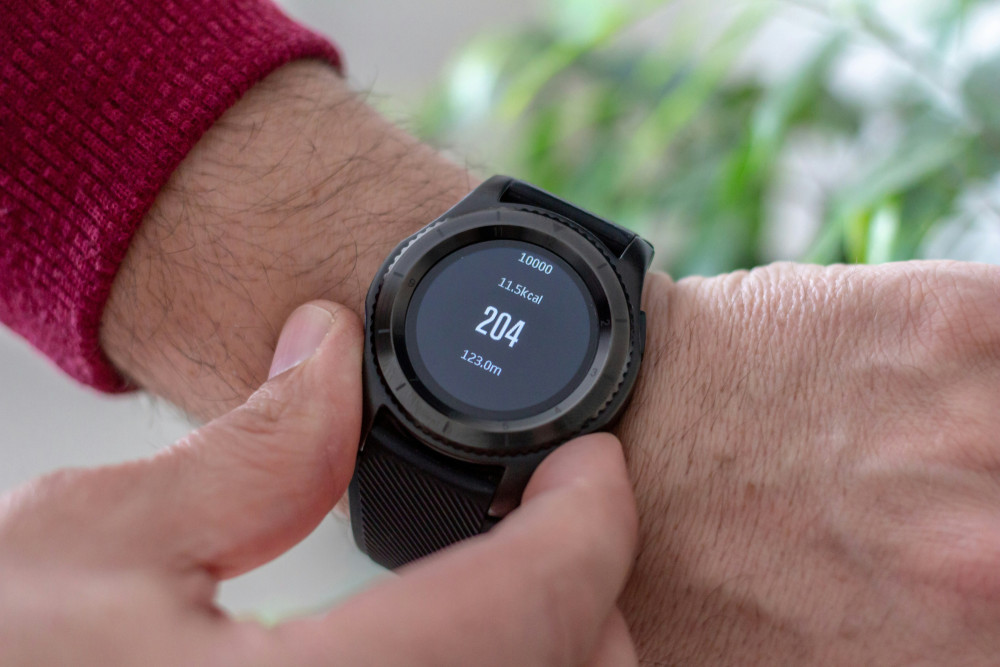
The evolution of payments is far from over. We’re already seeing new methods emerge: smartwatches that pay with a flick of the wrist, voice-activated transactions, and biometric systems that use fingerprints or facial recognition. Meanwhile, the Federal Reserve and other central banks are exploring digital currencies that could redefine how money itself works.
In the near future, payments may happen automatically—your car could pay for parking, your fridge could reorder groceries, and your subscriptions could adjust based on usage. These innovations promise even greater convenience, but they also demand that we stay mindful of how our money moves.
A Transformed Everyday Life – Still Our Responsibility
The move from cash to contactless has made life simpler for most Americans. We no longer need to carry bills or wait in line at the ATM, and we can complete a purchase in seconds. But with convenience comes responsibility: understanding the technology, protecting our data, and staying aware of our spending habits.
Digital payments have transformed our everyday lives—not just by speeding them up, but by changing our relationship with money itself. The future will be even more digital, but it’s still up to us to decide how we use it.
Læs også: