Choosing the Right PLC Controllers for Your Industrial Needs

Choosing the Right PLC Controllers for Your Industrial Needs
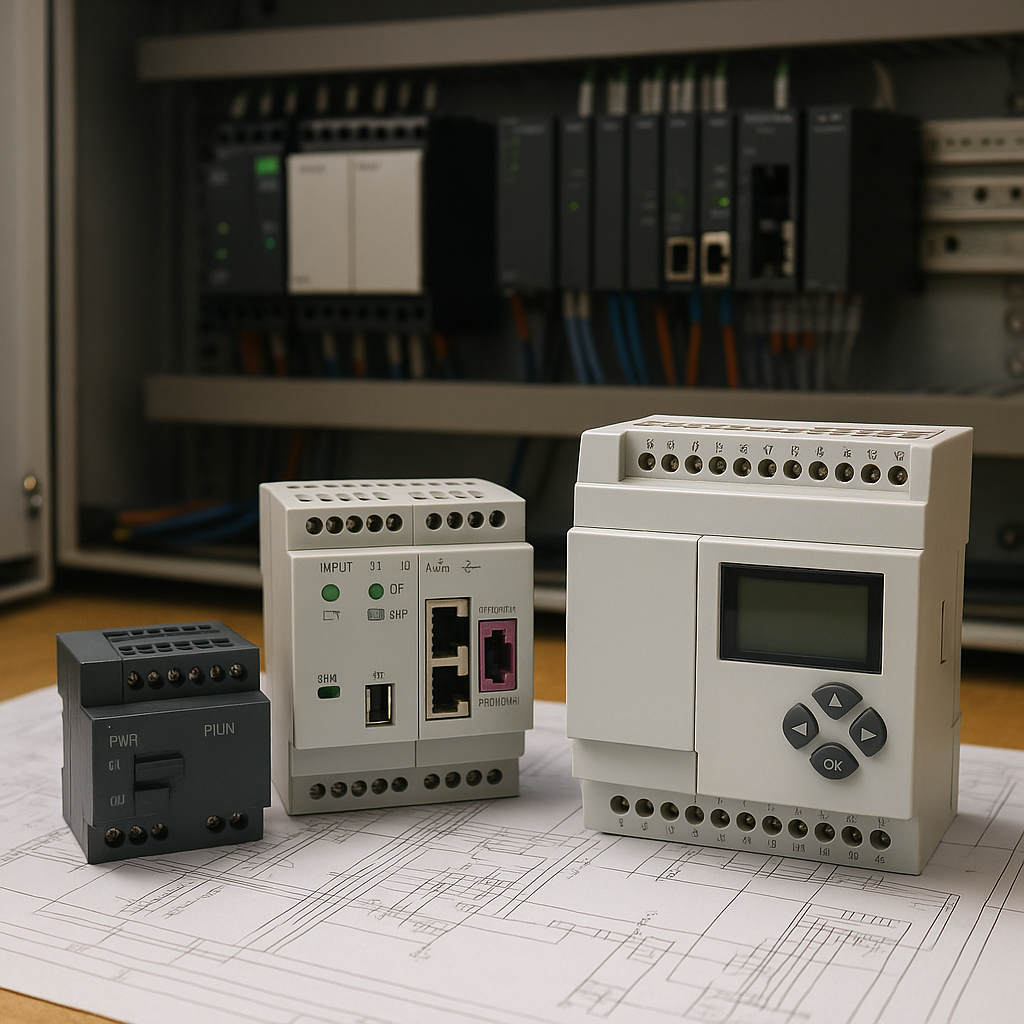
In the realm of industrial automation, selecting the appropriate PLC (Programmable Logic Controller) is crucial for efficient and reliable operations. Whether you're upgrading an existing system or setting up a new one, it’s essential to find reliable PLC controllers for your setup. This guide will help you understand the key factors to consider when choosing a PLC controller.
Understanding PLC Controllers
PLC controllers are integral components in industrial automation, designed to manage and control a wide range of machinery and processes. They are used in various applications, from simple production lines to complex process control systems. A PLC continuously monitors the state of input devices and makes decisions based on a custom program to control the state of output devices.
Key Features to Consider
When selecting a PLC, there are several crucial features and specifications to consider:
- Processing Speed: The speed at which a PLC can process inputs and outputs is vital, especially in high-speed applications. Ensure your PLC can handle the required data processing rate for your operations.
- Input/Output Capacity: Determine the number of inputs and outputs needed for your setup. This includes both digital and analog signals.
- Memory: Adequate memory is necessary for storing the program and data. Consider future expansion when evaluating memory requirements.
- Communication Capabilities: Modern PLCs often need to communicate with other systems. Check for necessary communication protocols like Ethernet, RS-232, or Modbus.
- Environmental Tolerance: Ensure the PLC can operate in the environmental conditions of your facility, such as temperature extremes and humidity.
Benefits of Reliable PLC Controllers
Investing in reliable PLC controllers offers several benefits:
- Increased Efficiency: Reliable PLCs optimize processes, reducing downtime and increasing productivity.
- Enhanced Flexibility: With programmable systems, changes in the production process can be implemented quickly and efficiently.
- Cost Savings: Automation reduces the need for manual intervention, lowering labor costs and minimizing errors.
- Scalability: As your business grows, reliable PLCs can be easily upgraded to meet increasing demands.
By understanding these factors and carefully evaluating your options, you can ensure that you select the right PLC controller for your needs. This will not only enhance the efficiency and reliability of your operations but also provide long-term cost savings and scalability. Remember, the key to successful industrial automation lies in finding the right components that meet your specific requirements.