From Copper to Fiber: The Technologies Boosting Home Network Speeds

From Copper to Fiber: The Technologies Boosting Home Network Speeds
The internet has become as essential to American households as electricity or running water. From remote work and 4K streaming to online gaming and smart home devices, our daily lives depend on fast, reliable connections. Yet, many still struggle with slow speeds or spotty coverage. Fortunately, broadband technology has advanced rapidly in recent years. The shift from copper to fiber—and the rise of new wireless standards—has transformed what’s possible for home networks. Here’s a look at the key technologies driving this evolution.
From Copper to Fiber – A Leap in Connectivity
For decades, most U.S. homes relied on copper telephone lines for internet access through DSL (Digital Subscriber Line) technology. While DSL made broadband widely available, it had clear limitations: the farther you lived from the provider’s central office, the slower your connection.
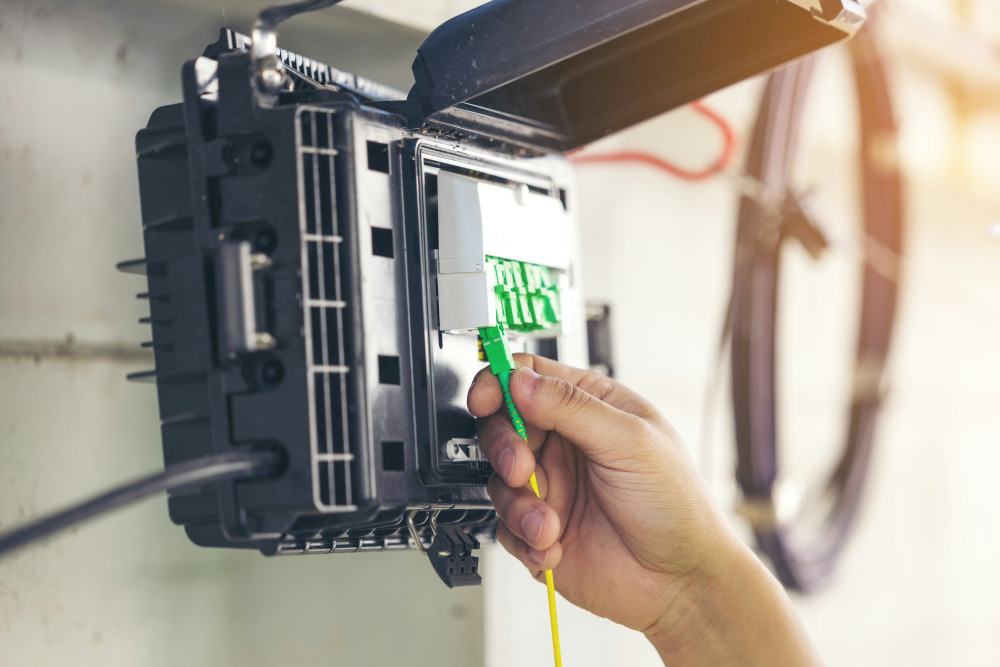
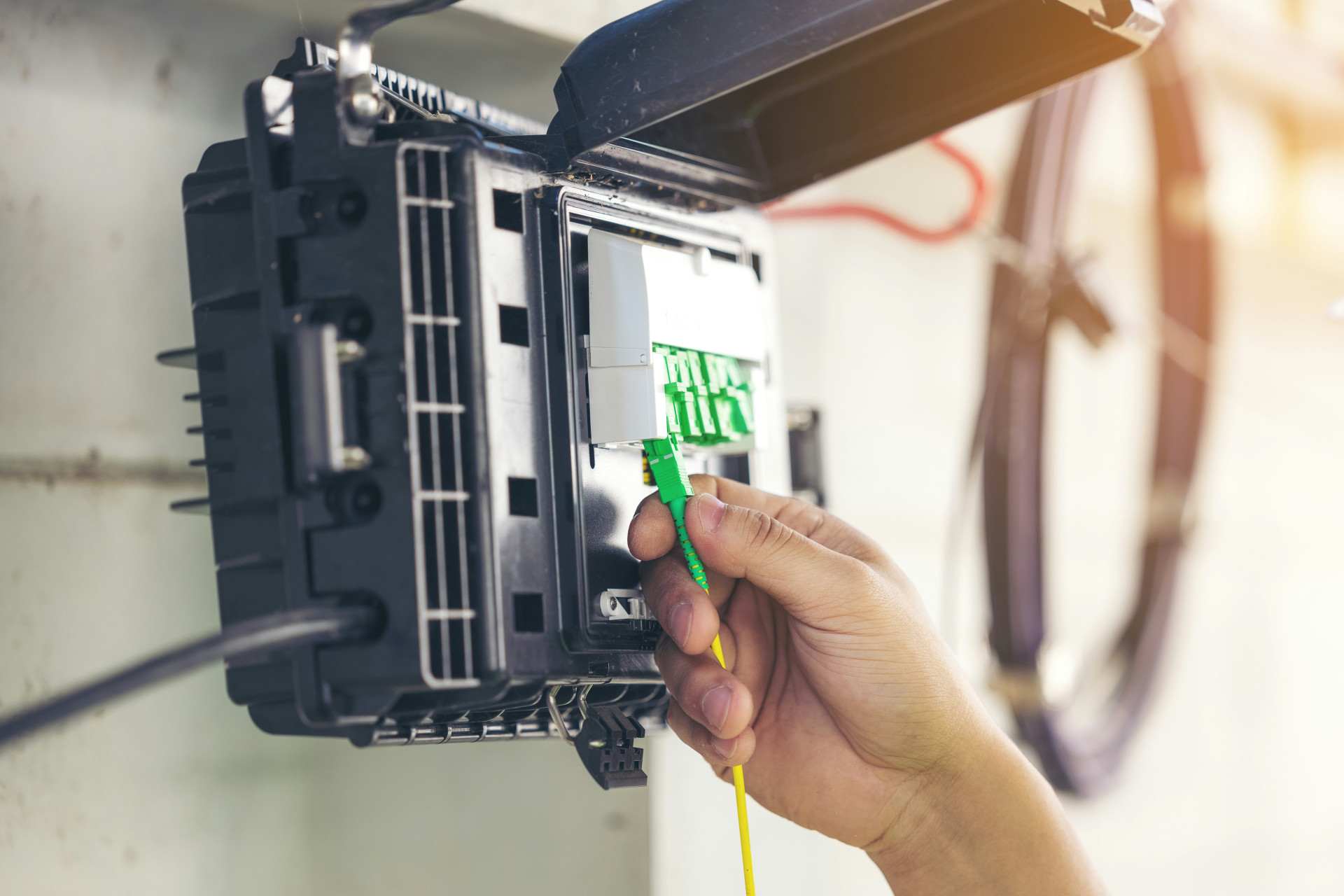
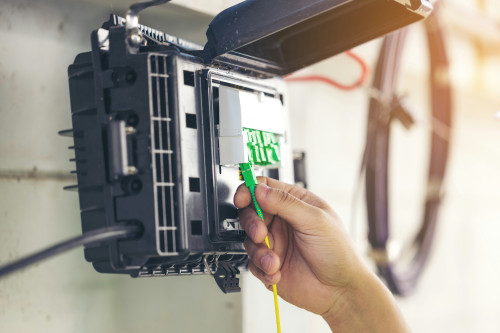
Fiber-optic internet changed the game. Instead of sending electrical signals through copper, fiber transmits data as pulses of light through glass strands. This allows for dramatically higher speeds, lower latency, and symmetrical upload and download rates—ideal for video conferencing, cloud backups, and streaming. Fiber connections also maintain performance over long distances, making them the gold standard for modern broadband.
Cable Internet and Hybrid Solutions
Before fiber became widespread, cable internet—delivered over coaxial TV cables—was the go-to option for high-speed access. Using the DOCSIS (Data Over Cable Service Interface Specification) standard, cable providers have steadily increased speeds. The latest versions, DOCSIS 3.1 and 4.0, can deliver multi-gigabit performance, and many Americans still rely on cable broadband, especially in areas where fiber hasn’t yet reached.
Some providers use hybrid fiber-coax (HFC) networks, where fiber runs to a neighborhood node and coaxial cable completes the connection to individual homes. These systems offer faster speeds than DSL but can’t quite match the performance or consistency of full fiber.
Læs også:


Wireless Advances: Wi-Fi 6, Wi-Fi 6E, and 5G
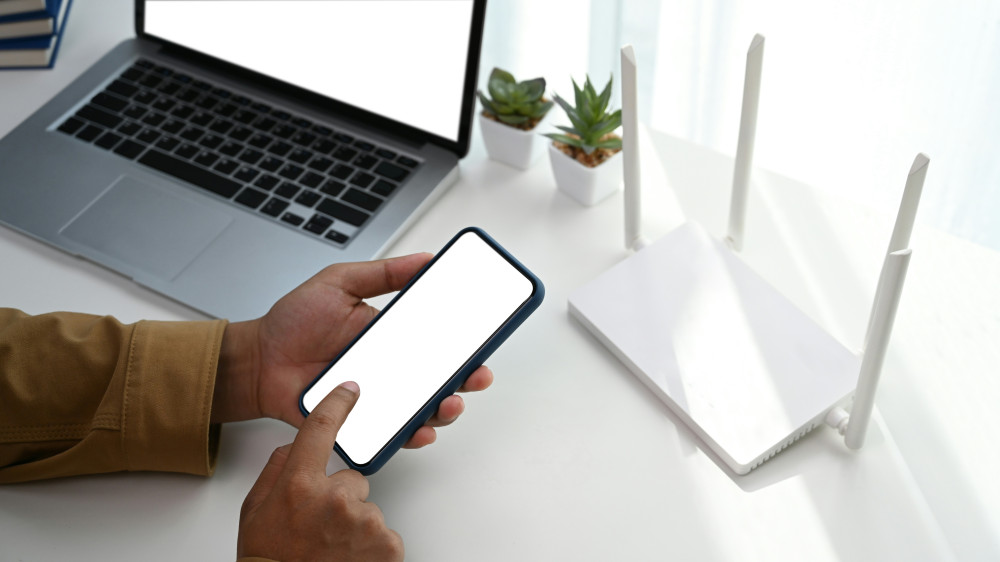
Even the fastest wired connection is only as good as the Wi-Fi network distributing it throughout your home. That’s where Wi-Fi 6 and Wi-Fi 6E come in. These newer standards deliver higher speeds, better efficiency, and improved performance in crowded environments—perfect for households filled with laptops, smart TVs, and connected devices.
Meanwhile, 5G home internet has emerged as a flexible alternative to wired broadband. Using the same next-generation cellular networks that power smartphones, 5G can deliver high-speed, low-latency internet to homes without the need for cables. It’s especially appealing in rural or suburban areas where fiber deployment is still limited.
Mesh Networks: Eliminating Dead Zones
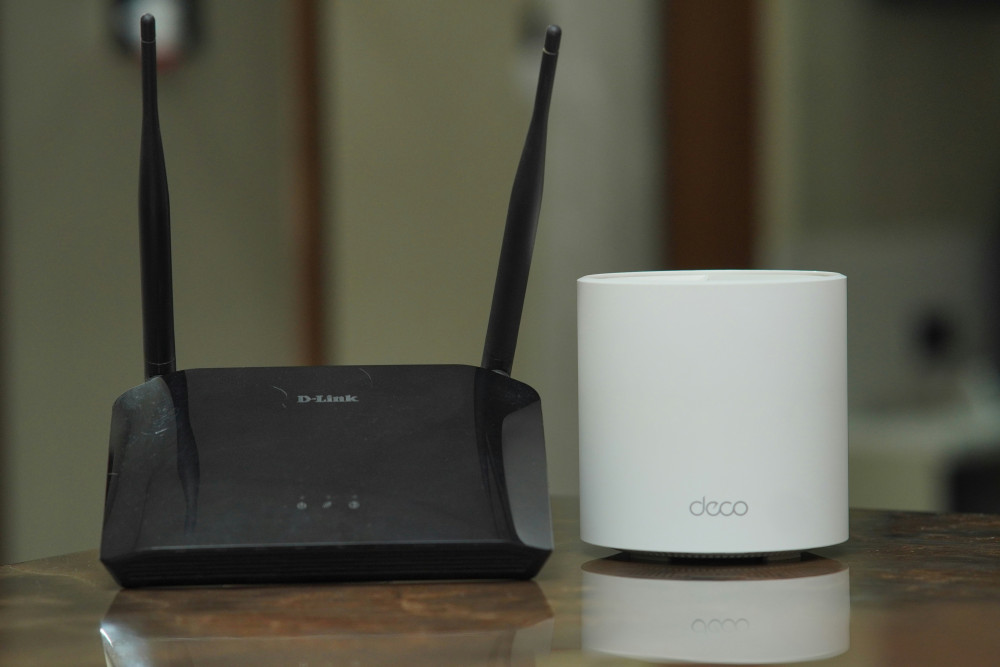
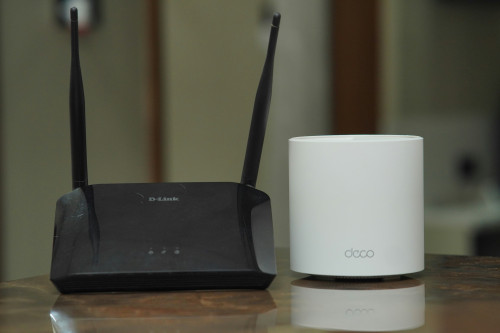
A fast connection doesn’t help much if your Wi-Fi signal can’t reach every corner of your home. That’s why mesh Wi-Fi systems have become so popular. Instead of relying on a single router, mesh setups use multiple nodes that work together to blanket your home in consistent coverage. You can move from the living room to the backyard without losing your connection or switching networks.
Mesh systems are particularly effective in larger homes or those with thick walls that block signals. Many newer routers now include mesh capabilities, making it easier than ever to expand coverage.
The Future of Home Internet
The broadband race is far from over. Fiber providers are rolling out multi-gigabit plans, and Wi-Fi 7 promises even faster wireless performance with lower latency and better efficiency. Cable companies are upgrading to 10G networks, and satellite internet providers are improving speeds and reliability for remote areas.
Still, the best connection isn’t always the fastest one—it’s the one that fits your household’s needs. A family that streams, works remotely, and games online might benefit from a gigabit fiber plan and a modern Wi-Fi 6 router. Smaller households or those in rural areas may find that a cable or 5G home internet plan offers plenty of speed for everyday use.
Getting the Most from Your Connection
Even with cutting-edge technology, a few simple steps can make a big difference in performance:
- Place your router centrally and away from obstructions.
- Keep your equipment up to date—older routers can bottleneck your speeds.
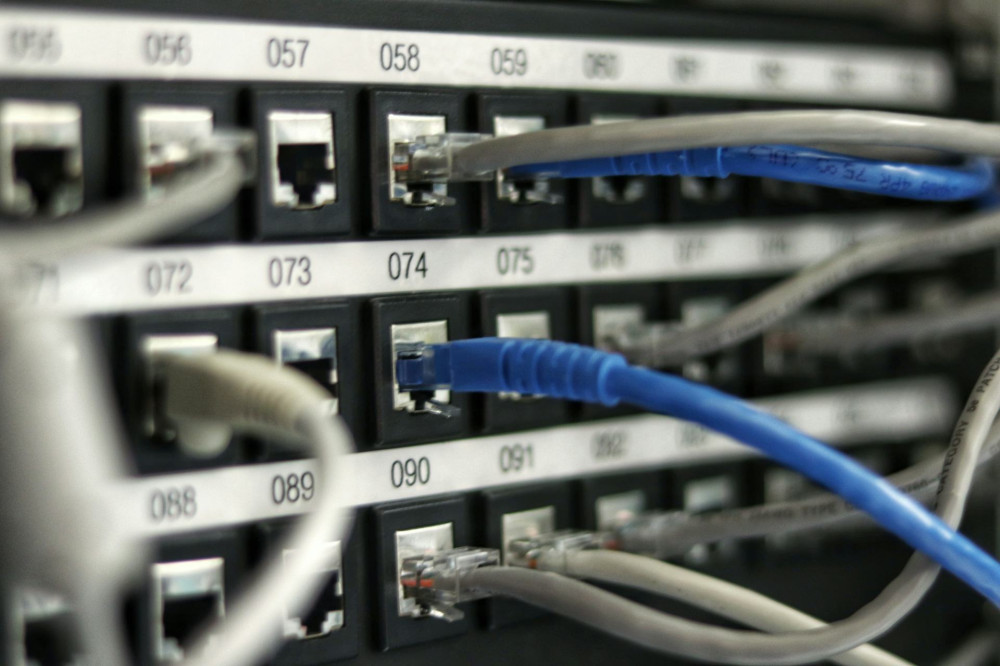
- Use wired connections for gaming consoles or desktop PCs when possible.
- Check your cables and connectors for wear or outdated standards.
- Consider a mesh system if you have coverage gaps.
With the right combination of technology and setup, you can enjoy a home network that’s fast, stable, and ready for the future—no matter how many devices you connect.
Læs også: