Casual vs. Competitive: Two Gaming Cultures with Different Goals and Communities

Casual vs. Competitive: Two Gaming Cultures with Different Goals and Communities
The gaming world is vast and diverse. For some, it’s a way to unwind after a long day, connect with friends, and simply have fun. For others, it’s a serious pursuit of mastery, precision, and achievement. The difference between casual and competitive gaming isn’t just about skill level—it’s about culture, values, and motivation. Let’s explore what defines these two gaming cultures and how they shape the experiences of players across the United States.
Two Ways to Play – Two Ways to Be a Gamer
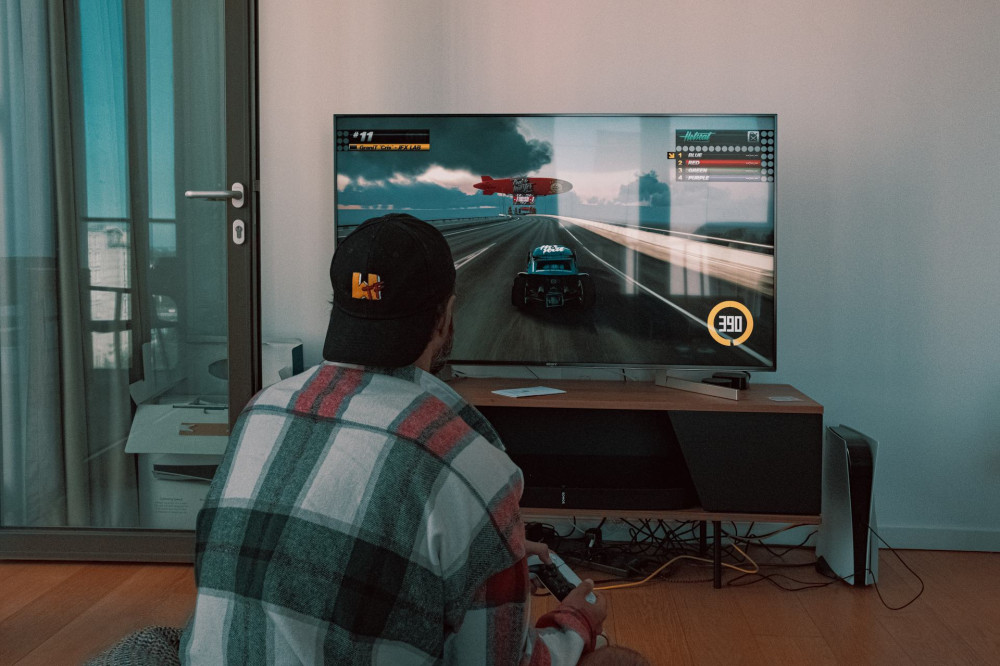
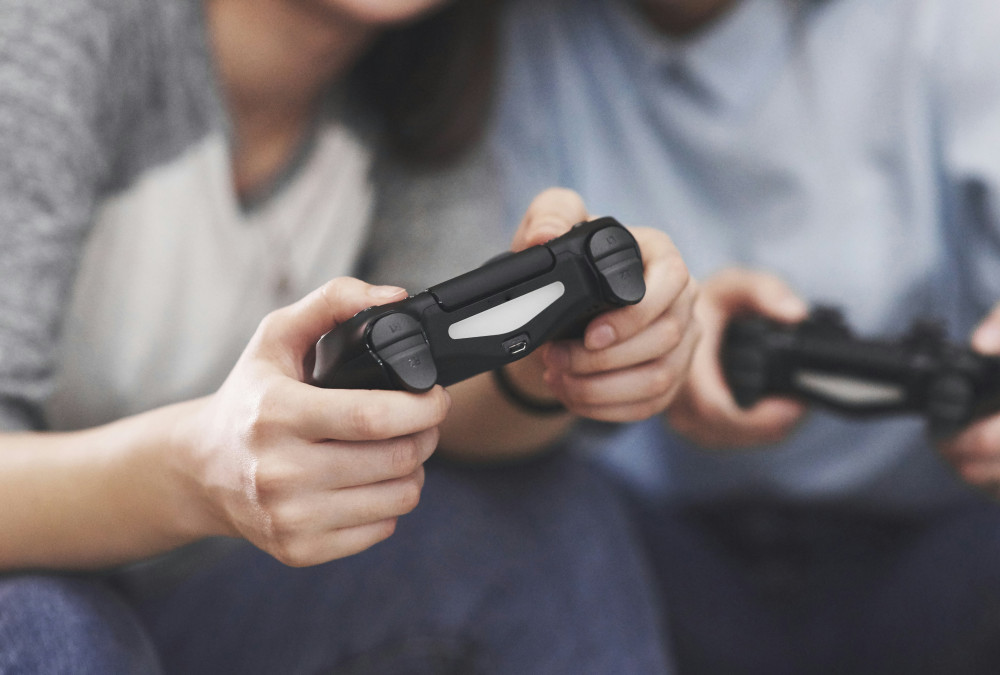
Casual gaming includes the broad group of players who play for enjoyment. It might mean a few rounds of Mario Kart with friends, a relaxing evening in Stardew Valley, or a quick mobile game during a lunch break. For casual gamers, games are a space to relax, explore, and share experiences without pressure or commitment.
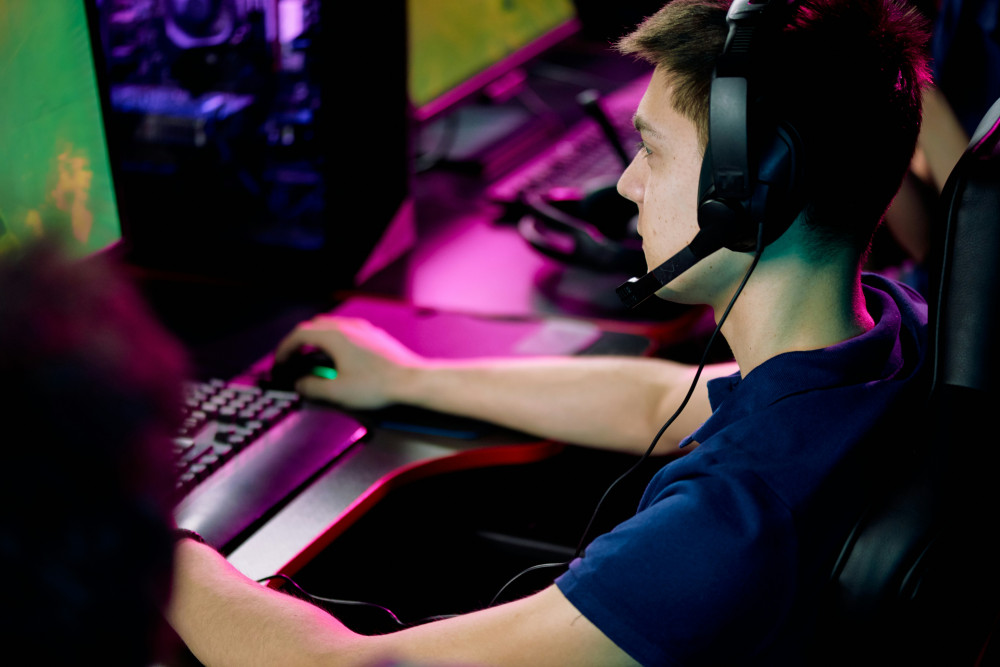
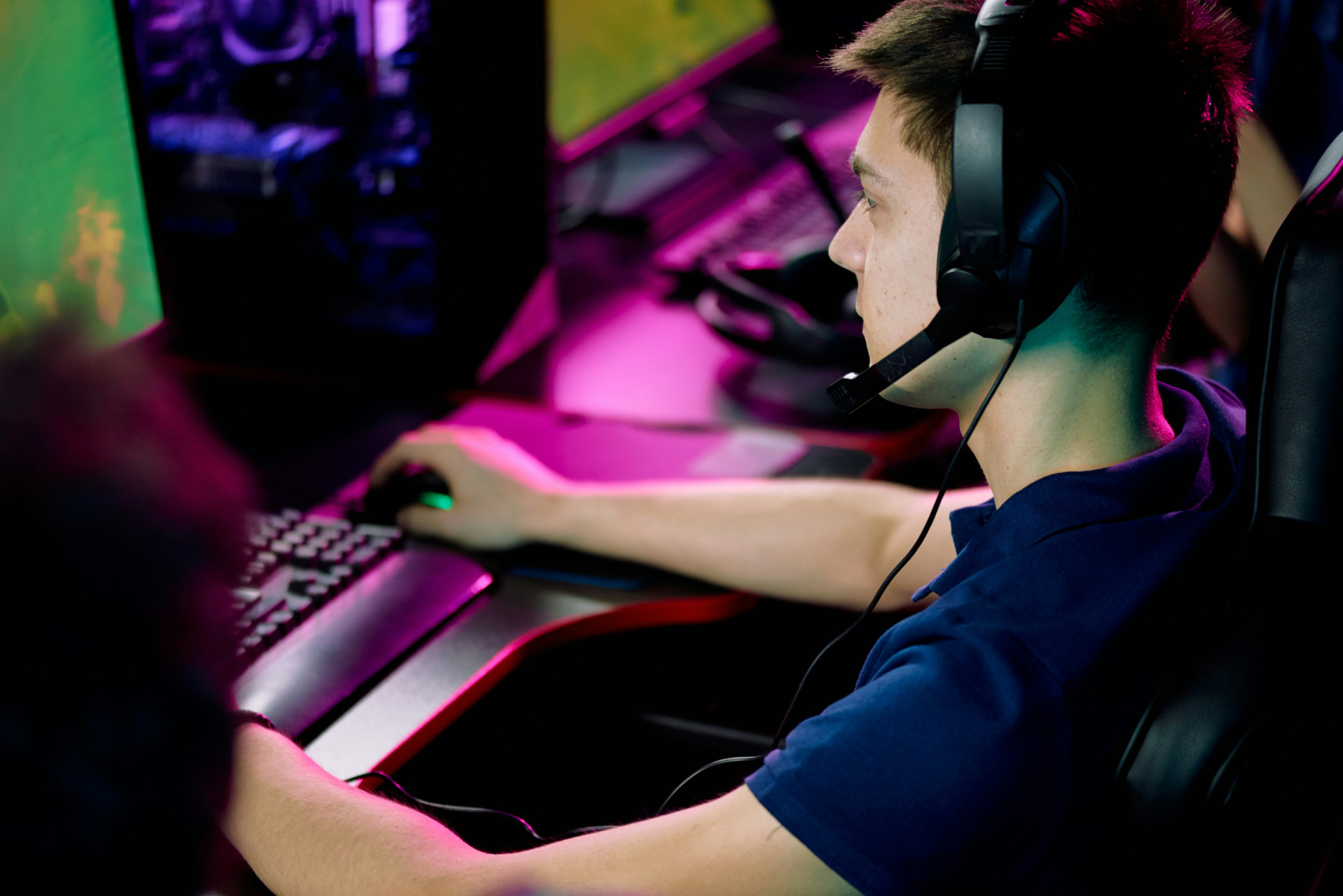
Competitive gaming, on the other hand, is about pushing limits. The goal is to improve, win, and measure oneself against others. This can take place in ranked matches, organized tournaments, or even professional esports leagues. For competitive players, gaming is a sport—one that demands practice, strategy, and dedication.
Different Goals – The Same Passion
While casual and competitive gaming may seem like opposites, both stem from the same passion for play. The difference lies in what players seek from the experience.
- Casual gamers play for fun, storytelling, and social connection. They value flexibility and games that can be picked up and put down without stress.
- Competitive gamers thrive on challenge. They study game mechanics, practice specific skills, and keep up with the “meta”—the dominant strategies that define high-level play.
Both groups might play the same titles but approach them differently. A casual player might enjoy a friendly match in Call of Duty with friends, while a competitive player sees it as a chance to refine tactics and climb the ranks.
Communities with Different Dynamics
Casual gaming communities tend to be inclusive and laid-back. They’re about sharing experiences, laughing together, and creating memorable moments. Online spaces, streaming platforms, and social games like Minecraft or Animal Crossing have made it easy for players of all ages and backgrounds to connect.
Competitive communities, by contrast, are more focused and goal-driven. Players gather around training, strategy, and teamwork. Strong team cultures often form, where communication and coordination are key. The pressure can be intense—both from oneself and from others—but for many, that intensity is what makes it rewarding. The thrill of competition and the satisfaction of improvement are central to the experience.
Læs også:



When the Lines Blur
In reality, the line between casual and competitive gaming isn’t fixed. Many players move between the two worlds. A casual gamer might get hooked on ranked play and start taking it more seriously, while a competitive player might take a break to enjoy games more casually.
Game developers increasingly design with both audiences in mind. Many titles now offer both relaxed and ranked modes, allowing players to choose how much they want to invest. This flexibility makes gaming more accessible and ensures that everyone can find their own way to play.
What We Can Learn from Each Other
Casual and competitive gaming represent two sides of the same coin: the joy of play. Casual gamers remind us that games are meant to be fun, creative, and social. Competitive gamers show how far dedication, teamwork, and discipline can take us. When these two cultures meet with mutual respect, they enrich one another—and help create a more diverse and inclusive gaming world.
A Shared Passion in Different Forms
Whether you play to win or to relax, gaming is a community that brings millions of Americans together. It’s a space to challenge yourself, make new friends, and find joy in both victory and defeat. Casual and competitive gaming aren’t opposites—they’re two expressions of the same passion that continues to shape modern culture.
Læs også: