Cloud Gaming and VR: Has the Future of Gaming Already Begun?

Cloud Gaming and VR: Has the Future of Gaming Already Begun?
In recent years, the gaming industry has undergone a dramatic transformation. Where players once needed powerful consoles or high-end PCs to enjoy the best experiences, new technologies are now reshaping how we play. Cloud gaming and virtual reality (VR) are two of the most talked-about trends—and both point toward a future where gaming is less about hardware and more about immersion. The question is: has that future already arrived?
What Is Cloud Gaming?
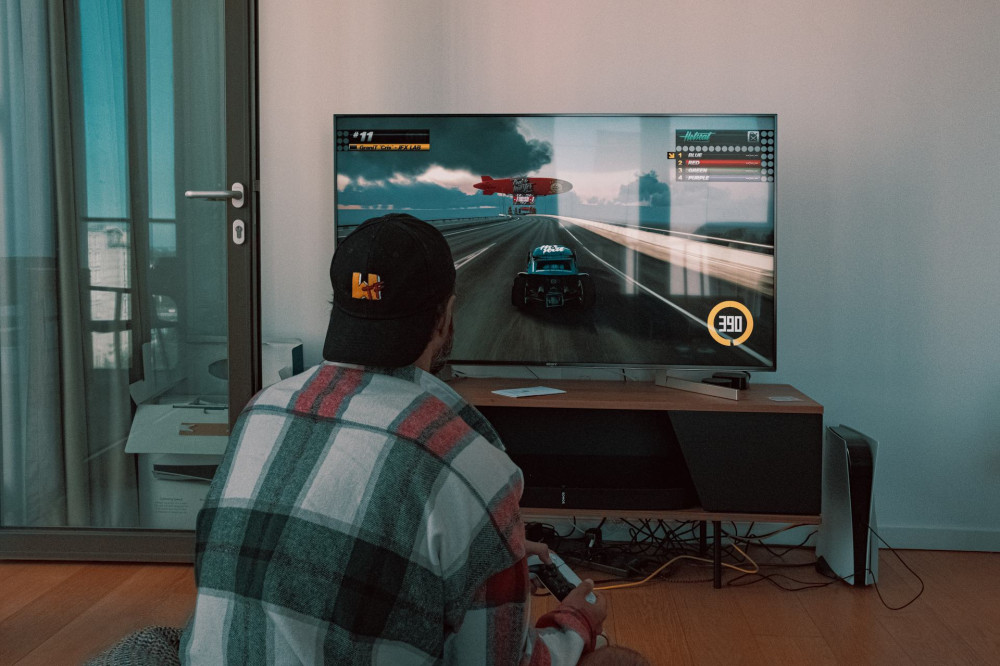
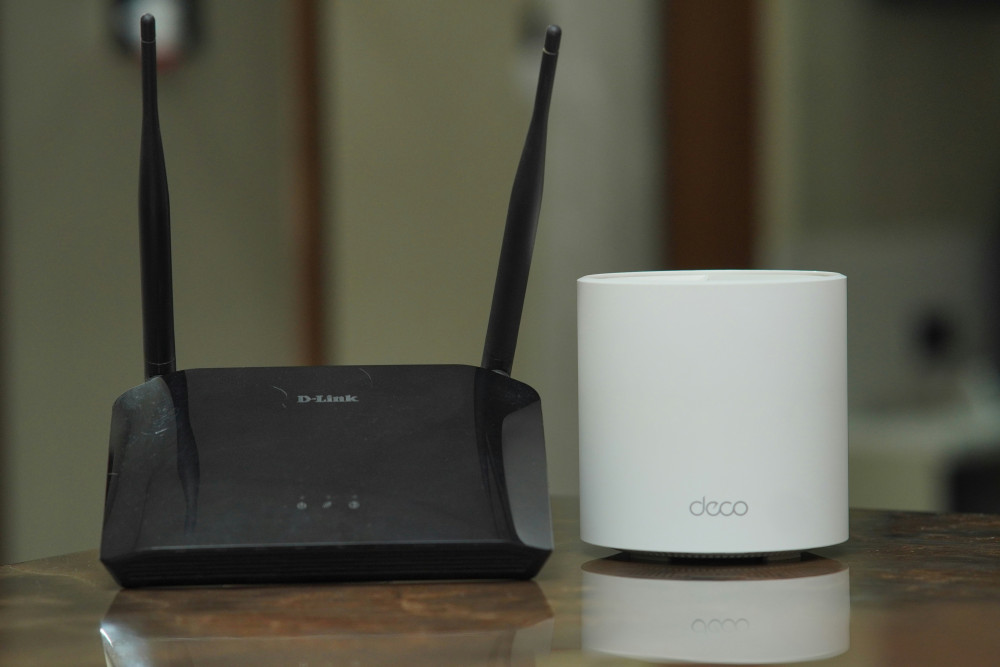
Cloud gaming works much like streaming movies or music—only with games. Instead of running the game on your own device, it’s processed on a remote server, and you stream the visuals while sending your inputs back through the internet. This means you can play demanding titles on a regular laptop, tablet, or even a smartphone, as long as your connection is fast and stable.
Services like NVIDIA GeForce Now, Xbox Cloud Gaming, and Amazon Luna have made this technology more accessible than ever in the U.S. For many players, it’s about freedom: you can pick up your game wherever you are, without worrying about downloads, updates, or hardware limitations.
Still, there are challenges. Cloud gaming depends on a reliable, low-latency internet connection, and in areas with weaker broadband or limited 5G coverage, the experience can quickly become frustrating. It also raises questions about ownership—if your games live entirely in the cloud, do you truly own them?
VR – From Novelty to True Presence
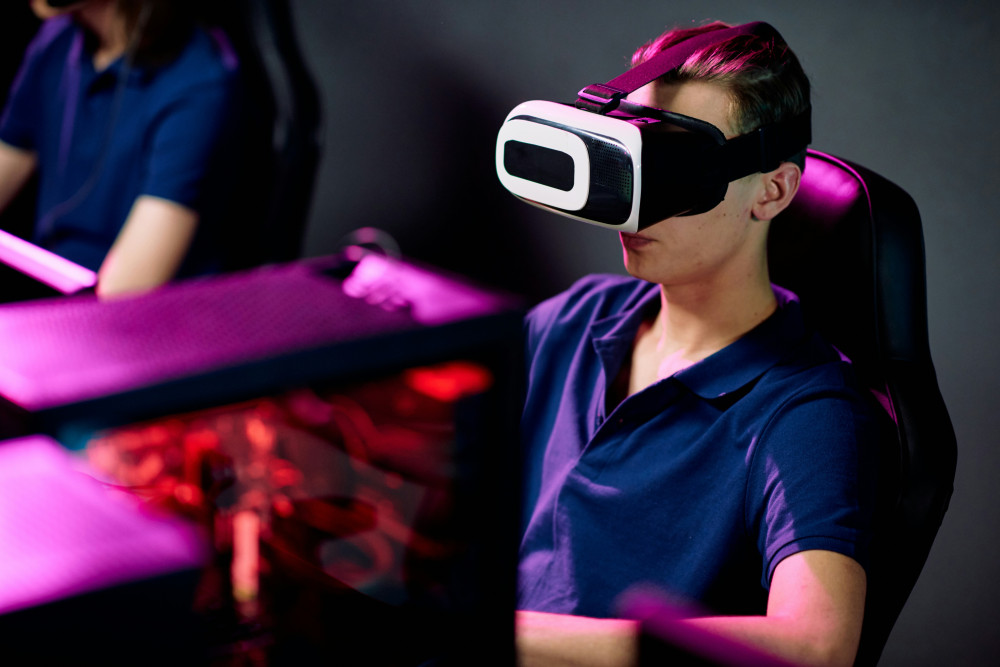
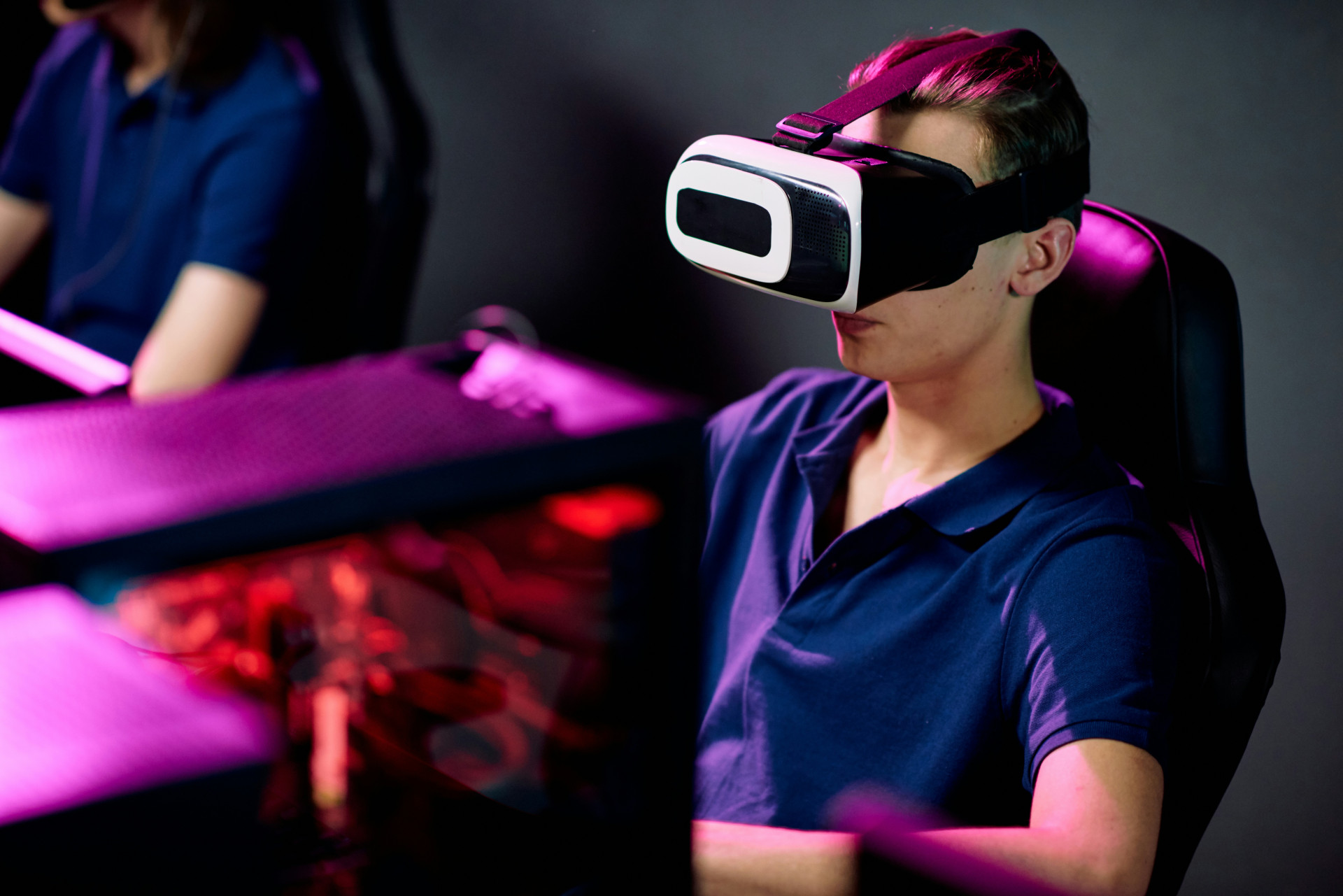
Virtual reality has long been a dream for gamers and developers alike: stepping inside the game world and experiencing it firsthand. Early VR headsets were expensive, bulky, and required complex setups. But with newer models like Meta Quest 3, PlayStation VR2, and Apple Vision Pro, the technology has become lighter, sharper, and more user-friendly.
VR isn’t just about visuals—it’s about presence. When you stand in a digital landscape, look around, duck, or reach out to interact, the game becomes a physical experience. This opens the door to new genres and storytelling methods, from realistic simulations to social VR spaces where players meet and play together in shared virtual environments.
Yet VR is still finding its place in the mainstream. Some users experience motion sickness or fatigue after extended sessions, and the cost of equipment can still be a barrier. But progress is rapid, and major studios are investing heavily in VR-exclusive titles, signaling that the technology is here to stay.
When the Cloud Meets Virtual Reality
The most exciting possibilities emerge when cloud gaming and VR begin to merge. Imagine streaming high-end VR experiences directly from the cloud—no powerful PC required. That could make immersive gaming far more accessible and potentially revolutionize the market.
Several companies are already experimenting with this combination. If developers can overcome the challenges of latency and data transfer, we could soon see a new era where VR experiences are as easy to access as streaming a movie—but infinitely more interactive.
Læs også:



What It Means for Gamers
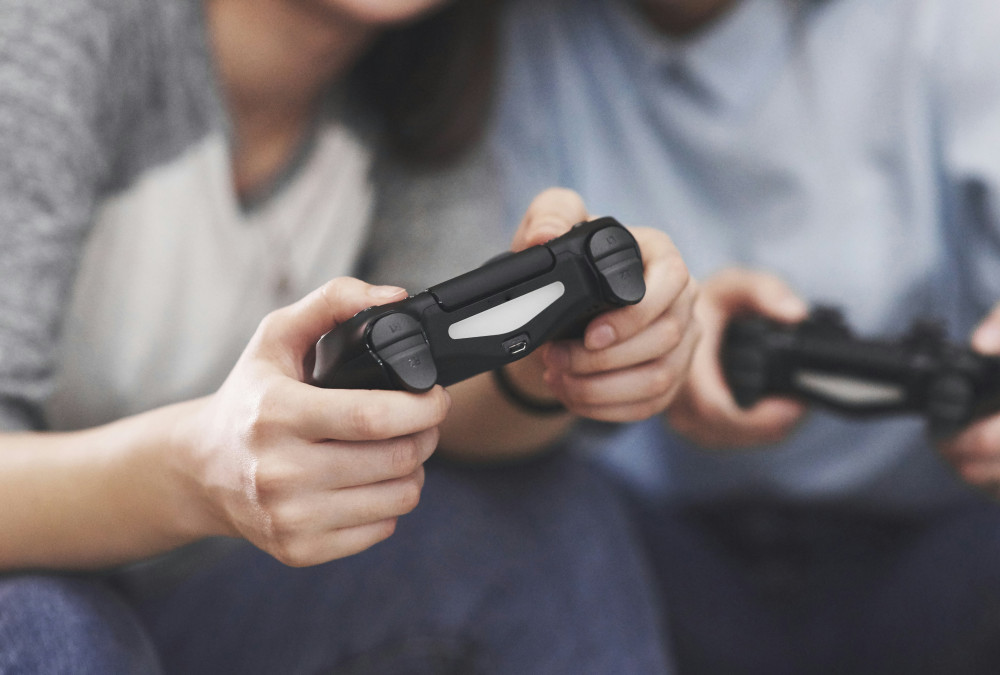
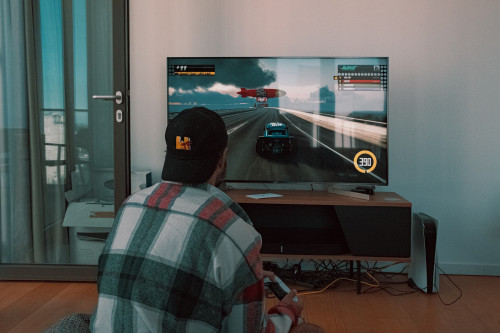
For everyday players, these developments mean more choice. You can stick with traditional console gaming, or dive into cloud-based and VR experiences that follow you across devices. At the same time, these technologies are changing how games are designed and distributed. Developers can build larger, more dynamic worlds, and players can access them without worrying about hardware specs.
But this evolution also raises new questions: What happens to our data when everything is online? How do we preserve access to games when services shut down? And how do we maintain a sense of ownership in a digital ecosystem built on subscriptions and streaming?
The Future Is Already Here
While both technologies are still evolving, it’s clear that the future of gaming has already begun. Cloud gaming and VR are no longer experiments—they’re real alternatives that are steadily reshaping how we play. For some, it’s the freedom to game anywhere. For others, it’s the thrill of stepping into entirely new worlds.
No matter how you play, one thing is certain: gaming is becoming more accessible, more immersive, and more personal than ever before. The future isn’t something we’re waiting for—it’s already here. All that’s left is to log in or put on the headset.
Læs også: