When the Game Feels Real – How Games Create a Strong Sense of Presence


When the Game Feels Real – How Games Create a Strong Sense of Presence
When you sit down, put on your headset, and step into a game world, it can sometimes feel as if you’re truly there. You lose track of time, react instinctively to what’s happening, and feel the tension in your body as if it were real. This experience is called presence – the feeling of being physically and mentally inside a virtual world. But what exactly makes games feel so real, and why does that feeling affect us so deeply?
What Does “Presence” Mean in Games?
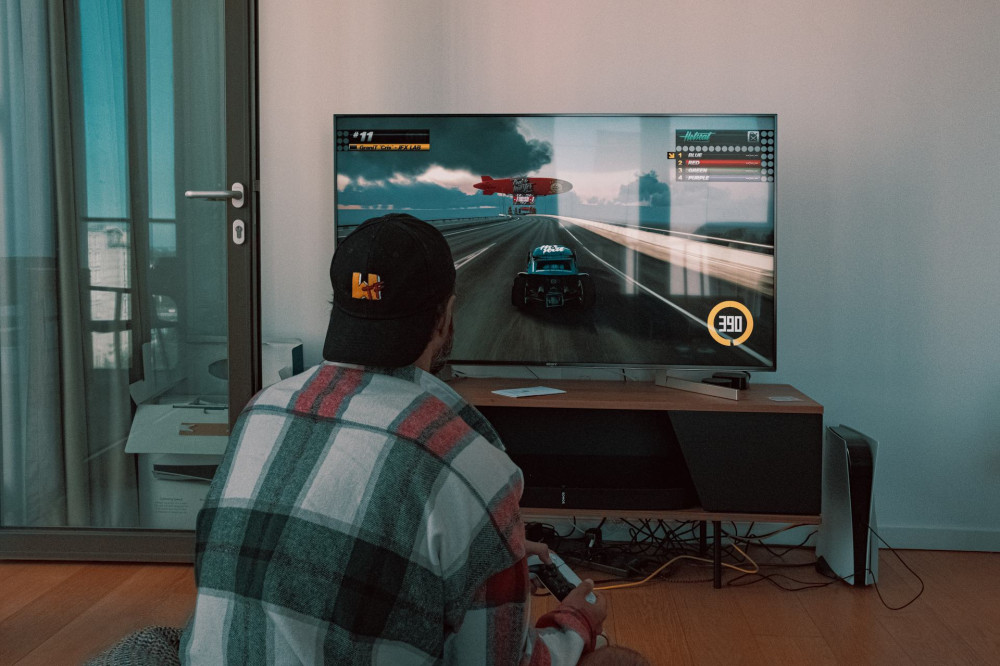
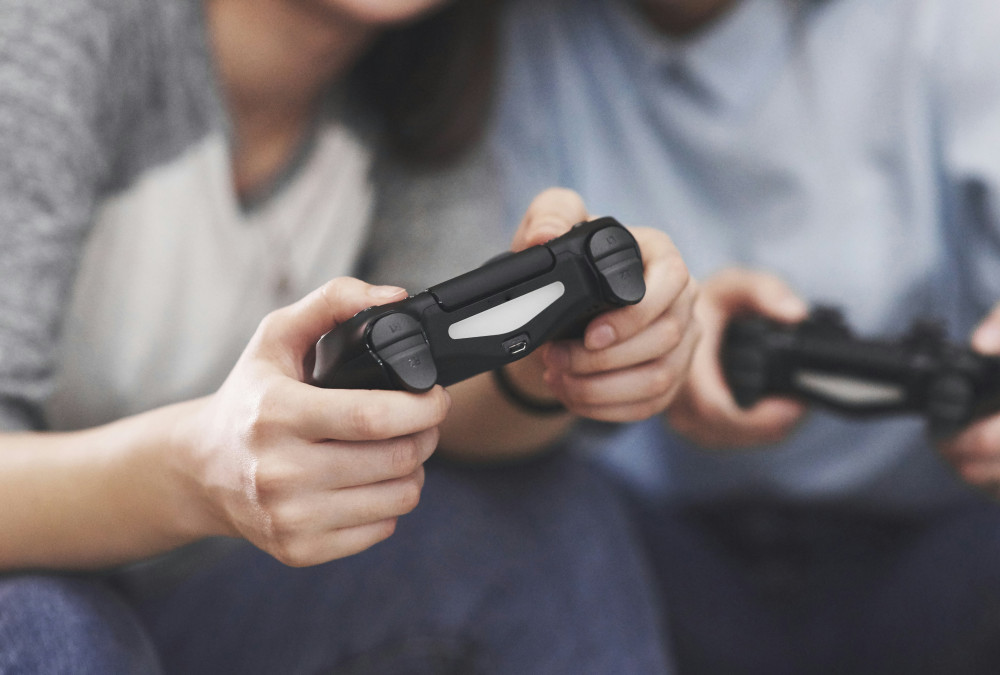
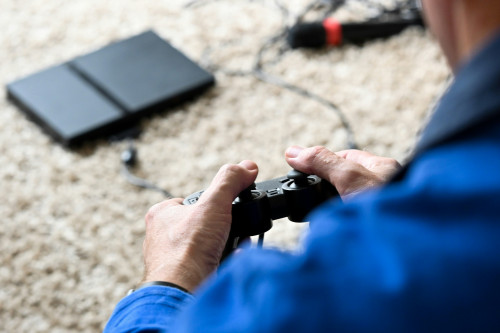
Presence is about how completely you, as a player, become absorbed in the game’s world. It’s not just about graphics or technology, but about how the game engages your senses, emotions, and thoughts. When you forget that you’re sitting on your couch with a controller in your hands and instead react as if you’re inside the game, the game has achieved a high level of presence.
Researchers in game psychology describe presence as a combination of sensory realism, interactivity, and emotional involvement. In other words, what you see and hear, what you can do, and what you feel all work together to create the illusion of reality.
The Power of Detail – When the World Feels Alive
Visuals and sound are the most immediate factors that shape the sense of presence. The more detailed and believable a game world is, the easier it is for your brain to accept it as “real.”
- Lighting and shadows create depth and atmosphere, making environments feel alive.
- Sound and music enhance immersion – from the crunch of gravel underfoot to the echo of footsteps in a hallway.
- Animation and movement make characters feel human and authentic.
But realism isn’t only about photorealistic graphics. Even stylized games – from hand-drawn adventures to minimalist indie titles – can create a strong sense of presence if their worlds are consistent and believable within their own rules.
Interactivity – When Your Actions Matter
One of the most unique aspects of games is that you can influence the world. This sense of agency and consequence is something movies and books can’t replicate. When the game responds to your choices and you see the results unfold, you become an active participant in the story.
Role-playing games and open-world titles take this to the next level. You can explore, make decisions, and shape your own path. Even small details – like leaving footprints in the snow or hearing characters comment on your actions – strengthen the illusion that you’re truly part of the world.
Emotion and Empathy – When the Game Reaches You
Presence isn’t just about sensory input; it’s also about emotion. When you care about a character, fear for their safety, or celebrate their victory, the experience becomes more powerful. Games can evoke empathy in a unique way because you don’t just watch the story – you live it.
Some of the most memorable moments in gaming come from moral or emotional choices that force you to reflect on your actions. These experiences can feel surprisingly real precisely because you were the one who made them happen.
Læs også:


The Role of Technology – From Screen to Virtual Reality
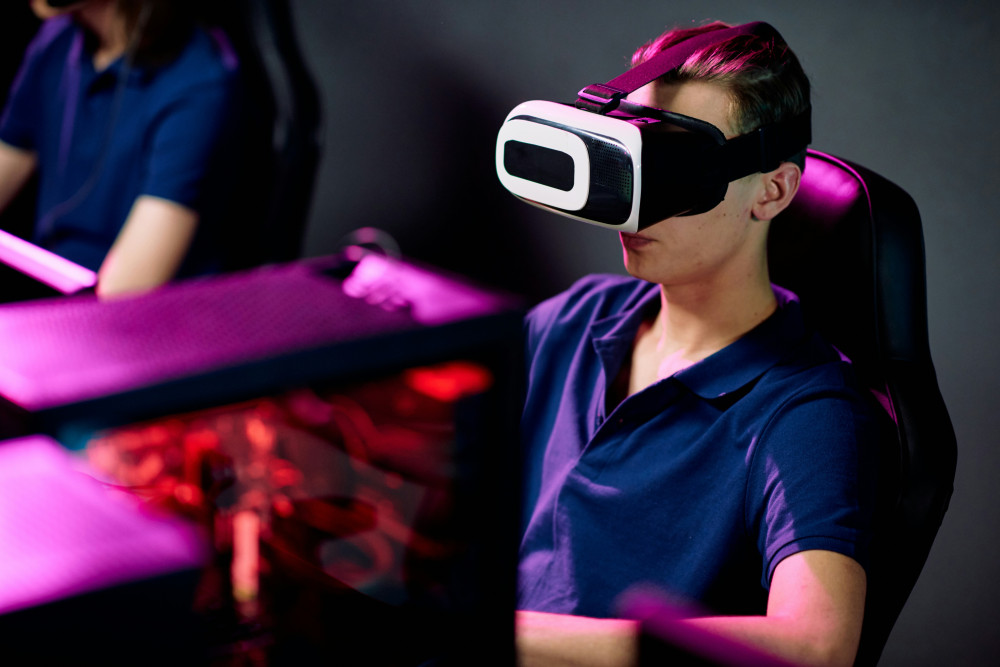
Advances in technology have made it possible to create even stronger feelings of presence. Virtual reality (VR) is the most obvious example. In VR, you move physically while seeing and hearing a digital world around you. When you look down and see your virtual hands or instinctively duck to avoid an object, your body reacts as if it were real.
But even outside VR, modern games use 3D audio, haptic feedback (vibrations and pressure in the controller), and realistic physics and motion to deepen immersion. All of these elements help your brain accept the illusion.
When Reality and Game Worlds Overlap
For many players, the feeling of presence is what makes gaming so captivating. It’s a form of escapism – a chance to step into another world, to explore, learn, and feel in new ways. But it also raises interesting questions: where does the game end and reality begin?
Some games deliberately blur that line, playing with the player’s expectations and awareness. They make you question what’s “real,” showing just how powerful games can be – not only as entertainment but as a way to experience and understand the world.
An Experience That Stays With You
When a game feels real, it’s not just a technical achievement – it’s a sign of how deeply interactive media can move us. The strong sense of presence can create memories that feel as vivid as real-life experiences. That’s why many players remember certain moments – a victory, a loss, a breathtaking view – as something they truly lived.
In the end, games can offer a kind of virtual experience that entertains, challenges, and inspires us. And maybe that’s exactly why, when the game feels real, it stays with us long after we’ve put down the controller.
Læs også: